
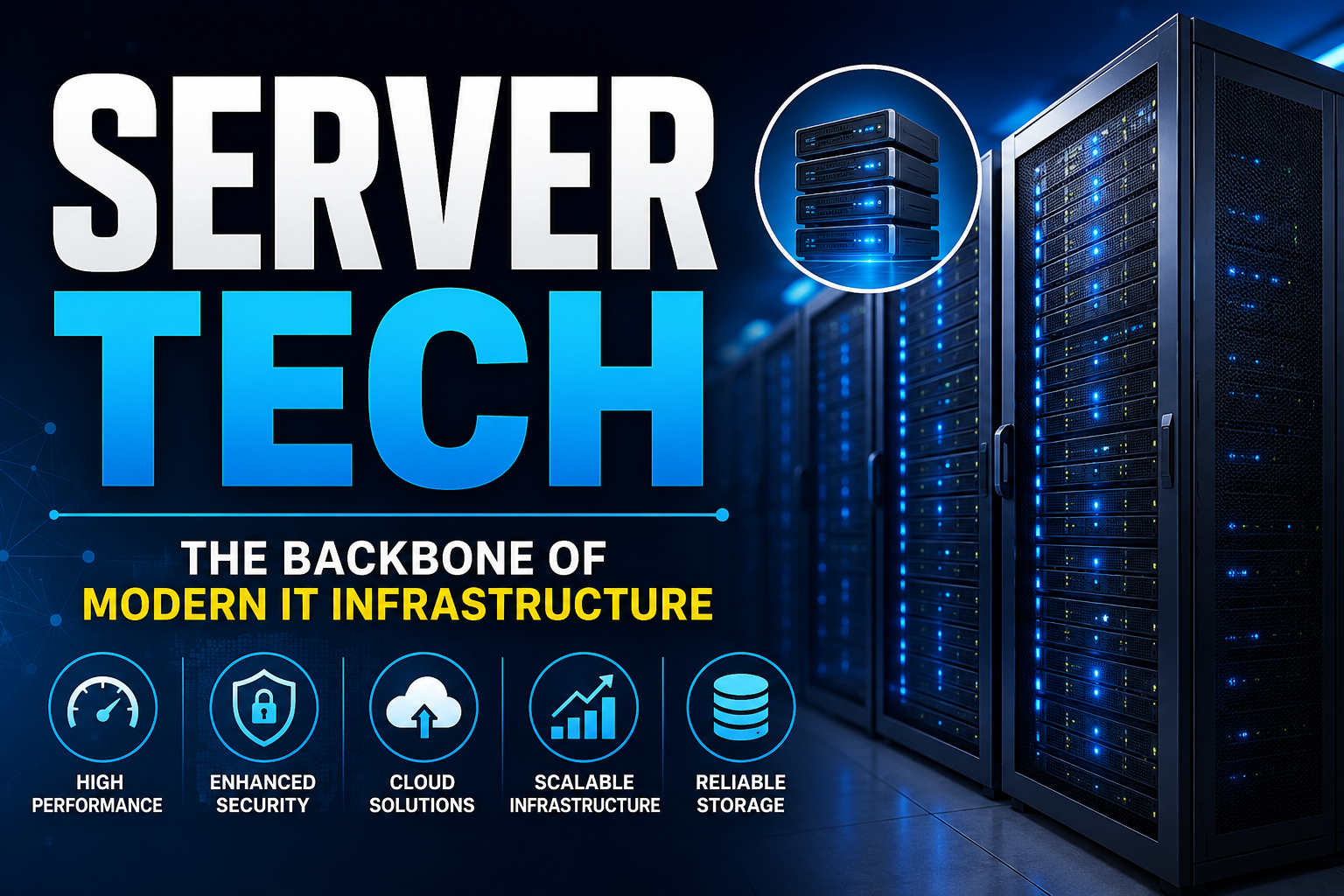
In today’s digital world, businesses rely on powerful technology to keep their operations running smoothly. One of the most important components of any IT environment is Server Tech. Whether it’s a small business website, a large enterprise database, or a cloud-based application, server technology plays a critical role in ensuring data is stored, processed, and delivered efficiently.
What Is Server Tech?
Server Tech refers to the hardware, software, and networking technologies used to manage, store, and process data across computer networks. A server is a specialized computer designed to provide services, resources, or data to other devices, known as clients. Unlike personal computers, servers are built to handle multiple requests simultaneously while maintaining high performance and reliability.
Modern server technology includes physical servers, virtual servers, cloud servers, and hybrid environments that help businesses scale their operations according to demand.
Why Server Tech Is Important
As organizations continue to embrace digital transformation, dependable server technology has become more essential than ever. It provides the foundation for websites, applications, email systems, databases, and cloud services.
The main benefits of Server Tech include:
- High-speed data processing
- Improved system reliability
- Enhanced security features
- Better resource management
- Scalable infrastructure for growing businesses
Without reliable server technology, businesses may experience downtime, data loss, and reduced productivity.
Types of Server Technology
There are several types of servers designed for different business needs.
1. Physical Servers
Physical Servers are dedicated machines installed in data centers or office environments. They offer maximum performance and control, making them suitable for organizations with demanding workloads.
2. Virtual Servers
Virtual servers use virtualization software to run multiple operating systems on a single physical machine. This approach improves hardware utilization while reducing operational costs.
3. Cloud Servers
Cloud servers are hosted by cloud service providers and accessed over the internet. They offer excellent scalability, flexibility, and cost efficiency, allowing businesses to pay only for the resources they use.
4. Dedicated Servers
Dedicated servers are exclusively allocated to one customer or organization. They provide superior security and performance for applications requiring high processing power.
Essential Components of Server Tech
A reliable server infrastructure consists of several critical components that work together to deliver consistent performance.
Powerful Processors
Modern servers use enterprise-grade CPUs capable of handling multiple workloads simultaneously. Multi-core processors significantly improve computing efficiency.
Memory (RAM)
High-capacity memory enables servers to process large amounts of information quickly while supporting multiple users at the same time.
Storage Solutions
Server technology utilizes SSDs, HDDs, and enterprise storage systems to provide fast data access, redundancy, and reliable backup options.
Network Connectivity
Fast networking hardware ensures seamless communication between servers, clients, and cloud platforms while minimizing latency.
Security Features
Built-in firewalls, encryption technologies, secure boot mechanisms, and access control systems help protect valuable business data from cyber threats.
Benefits of Modern Server Tech
Organizations investing in advanced server tech gain numerous competitive advantages.
Improved Performance
Modern servers deliver faster processing speeds, enabling applications and websites to respond quickly even during peak traffic.
Better Scalability
Businesses can easily expand server resources as demand grows without replacing their entire infrastructure.
Increased Reliability
Enterprise servers are designed with redundant power supplies, backup storage, and fault-tolerant components that minimize downtime.
Enhanced Security
Advanced authentication systems, regular software updates, and encryption technologies help safeguard sensitive business information.
Cost Efficiency
Virtualization and cloud computing reduce hardware investments while improving overall operational efficiency.
Server Tech and Cloud Computing
Cloud computing has transformed traditional server technology. Instead of purchasing expensive physical hardware, businesses can deploy virtual servers within minutes through cloud providers.
Cloud-based Server Tech offers several advantages:
- Flexible resource allocation
- Automatic backups
- High availability
- Disaster recovery solutions
- Lower maintenance costs
Many organizations now combine on-premises infrastructure with cloud services to create hybrid environments that maximize performance and flexibility.
Choosing the Right Server Technology
Selecting the appropriate Server Tech depends on several factors.
Businesses should consider:
- Current workload requirements
- Expected future growth
- Budget limitations
- Security needs
- Data storage capacity
- Technical support availability
Small businesses often benefit from cloud servers, while large enterprises may require dedicated or hybrid server environments to meet demanding operational needs.
Future Trends in Server Tech
Server technology continues to evolve rapidly as businesses demand greater performance and efficiency.
Emerging trends include:
- AI-powered server management
- Edge computing infrastructure
- Energy-efficient server hardware
- Advanced cybersecurity integration
- Software-defined data centers
- Automation through machine learning
These innovations enable organizations to reduce operational costs while improving system reliability and performance.
Best Practices for Maintaining Server Tech
To maximize server lifespan and performance, organizations should follow industry best practices.
Regular maintenance should include:
- Installing security updates
- Monitoring system performance
- Performing regular data backups
- Replacing aging hardware
- Implementing disaster recovery plans
- Monitoring storage utilization
Proactive maintenance helps prevent costly downtime and ensures business continuity.
Conclusion
Server Tech is the foundation of today’s digital infrastructure, supporting everything from websites and business applications to cloud computing and enterprise databases. As technology continues to evolve, businesses that invest in modern server solutions can improve performance, strengthen security, and scale their operations more effectively.
Whether choosing physical, virtual, or cloud-based servers, implementing the right Server Tech strategy ensures reliable operations, better productivity, and long-term business success. As organizations increasingly rely on digital services, advanced server technology will continue to play a vital role in driving innovation and supporting future growth.
What is Server Tech?
Server Tech refers to the hardware, software, and networking technologies that power servers, enabling them to store, process, and deliver data to users and applications efficiently.
Why is Server Tech important for businesses?
Server Tech is essential because it ensures reliable data storage, fast application performance, enhanced security, and uninterrupted business operations. It also supports scalability as businesses grow.
What are the different types of Server Tech?
The main types of Server Tech include physical servers, virtual servers, cloud servers, dedicated servers, and hybrid server environments. Each offers different benefits depending on business needs.