
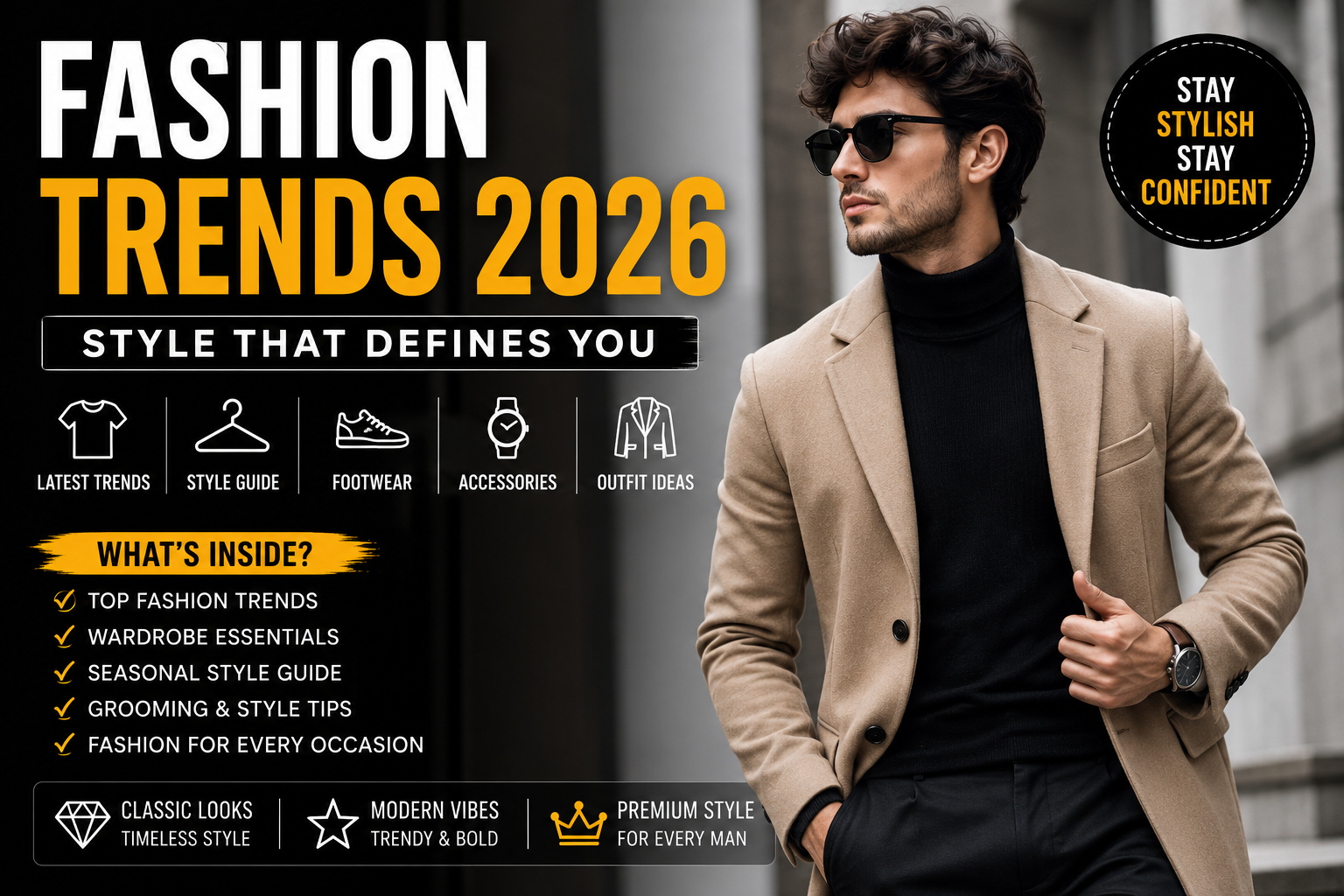
Fashion has always been an important part of human life because it represents personality, confidence, and creativity. People use fashion to express themselves and show their individuality through clothing choices, accessories, and styling preferences. Over time, fashion has changed significantly, influenced by culture, technology, celebrities, and social media trends. Modern fashion is no longer focused only on luxury or expensive clothing; it also emphasizes comfort, sustainability, and personal identity.
Fashion trends in 2026 continue evolving rapidly as consumers prefer clothing that combines style with practicality. From oversized outfits and neutral color palettes to sustainable fashion and vintage-inspired looks, people now have endless options to create unique styles that match their personalities.
Importance of Fashion in Everyday Life
Fashion plays a major role in everyday life because clothing affects confidence, social interaction, and first impressions. The way people dress often communicates their personality and lifestyle choices. Wearing stylish and comfortable outfits can improve confidence levels and positively influence personal and professional environments.
Fashion also contributes to emotional well-being. Many people feel more motivated and productive when they wear clothing that makes them feel confident and comfortable. Whether choosing casual wear, business attire, or formal outfits, fashion allows individuals to present themselves according to their personal preferences and situations.
Fashion Trends Dominating 2026
Modern fashion trends focus heavily on comfort and versatility. Oversized clothing remains one of the most popular fashion movements in 2026. Loose-fit shirts, wide-leg trousers, oversized hoodies, and relaxed blazers continue attracting consumers because they offer both style and comfort.
Neutral colors have also become increasingly popular. Shades such as beige, white, grey, olive green, and black dominate fashion collections because they provide flexibility and elegance. Neutral outfits make wardrobe combinations easier while creating a sophisticated appearance.
Vintage-inspired fashion continues making a strong comeback. Clothing trends influenced by the 1990s and early 2000s have become highly fashionable again. Denim jackets, cargo pants, oversized denim, graphic shirts, and retro sneakers have returned to mainstream fashion, blending nostalgic aesthetics with modern styling approaches.
Athleisure fashion remains another major trend. Consumers increasingly prefer clothing that combines athletic functionality with casual style. Joggers, premium sneakers, hoodies, sports jackets, and performance clothing now serve both fitness and everyday fashion purposes.
Sustainable Fashion and Environmental Awareness
Sustainability has become one of the biggest priorities within the fashion industry. Consumers are becoming more aware of environmental issues and increasingly prefer brands that use eco-friendly materials and ethical manufacturing practices.
Sustainable fashion focuses on reducing environmental impact while improving clothing quality and production transparency. Many fashion companies now use recycled fabrics, organic cotton, and environmentally responsible production methods.
Consumers are also moving toward quality rather than quantity by purchasing durable clothing pieces instead of following short-term fashion trends. This approach reduces waste while promoting responsible shopping habits.
The rise of sustainable fashion demonstrates how consumer behavior continues influencing the future direction of the industry.
Building a Modern Wardrobe
Creating a versatile wardrobe helps simplify styling decisions while ensuring outfit flexibility. A modern wardrobe should include timeless essentials that work across different occasions and seasons.
A classic white shirt remains one of the most valuable clothing items because it pairs easily with jeans, trousers, skirts, and jackets. High-quality denim jeans continue serving as wardrobe essentials due to their versatility and timeless appeal.
Neutral-colored t-shirts help create multiple outfit combinations while providing layering opportunities throughout the year. Comfortable sneakers have become essential fashion pieces because they combine practicality with contemporary style.
Minimal accessories also play an important role in modern fashion. Watches, handbags, sunglasses, belts, and simple jewelry often enhance outfit appearance without overwhelming overall styling.
Building a balanced wardrobe allows individuals to create fashionable looks without constantly purchasing new clothing.
Influence of Social Media on Fashion
Social media platforms have transformed how fashion trends spread globally. Fashion influencers, designers, celebrities, and content creators introduce new styles that reach millions of people within minutes.
Platforms featuring short-form content, outfit inspiration, styling tutorials, and fashion photography strongly influence consumer purchasing decisions. Social media also allows smaller fashion brands to gain visibility and compete within larger markets.
Consumers now discover fashion trends faster than ever before, making social media one of the strongest driving forces behind modern fashion evolution.
Seasonal Fashion Trends
Fashion changes significantly throughout different seasons. Spring fashion often introduces lighter fabrics, softer colors, and comfortable layering options. Floral designs, lightweight jackets, and breathable materials become increasingly popular.
Summer fashion prioritizes comfort due to warmer temperatures. Cotton shirts, lightweight dresses, shorts, and sandals dominate summer wardrobes because they provide breathability and functionality.
Autumn fashion introduces layering opportunities through sweaters, coats, boots, and textured fabrics. Neutral earth tones remain especially popular during colder months.
Winter fashion focuses on warmth without sacrificing style. Wool coats, knit sweaters, hoodies, thermal clothing, and stylish outerwear help maintain both comfort and fashionable appearance.
Understanding seasonal fashion trends helps consumers make smarter wardrobe investments while staying stylish throughout the year.
Technology Transforming Fashion Industry
Technology continues changing how fashion brands operate and how consumers shop. Artificial intelligence now helps provide personalized shopping recommendations based on customer preferences and browsing behavior.
Virtual fitting rooms allow customers to visualize clothing before making purchases. Smart fabrics and wearable technology continue improving functionality within fashion products.
Online shopping experiences have also improved significantly through advanced personalization systems, making fashion more accessible globally.
Technology and innovation will continue shaping the future of fashion while improving sustainability and consumer experience.
Future of Fashion
The future of fashion will likely focus on sustainability, personalization, and digital transformation. Consumers increasingly expect brands to demonstrate environmental responsibility while offering products that reflect individual preferences.
Fashion companies continue investing in technology and sustainable manufacturing processes to meet changing market expectations.
Personalized shopping experiences, eco-friendly production systems, and digital fashion technologies will likely become major industry standards in the coming years.
Fashion will continue evolving beyond clothing trends and become increasingly connected to innovation, identity, and social responsibility.
Conclusion
Fashion remains an essential form of self-expression that influences confidence, creativity, and personal identity. Modern fashion trends emphasize comfort, sustainability, and individuality while allowing people to create styles that reflect their personalities.
Understanding fashion principles, investing in versatile wardrobe essentials, and staying informed about industry trends can help individuals develop stronger personal style choices.
As fashion continues evolving through technology and sustainability initiatives, its influence on society and everyday life will remain stronger than ever.
FAQs
What are the biggest fashion trends in 2026?
Oversized clothing, sustainable fashion, neutral colors, vintage-inspired styles, and athleisure remain among the biggest trends.
Why is sustainable fashion important?
Sustainable fashion reduces environmental impact and promotes ethical manufacturing practices.
How can someone improve personal fashion style?
Focus on quality basics, clothing fit, balanced colors, and versatile wardrobe essentials.
Why do neutral colors remain popular?
Neutral shades create flexibility, elegance, and easier outfit combinations.
How does social media influence fashion?
Social media spreads trends quickly and provides inspiration through creators, designers, and fashion influencers.