

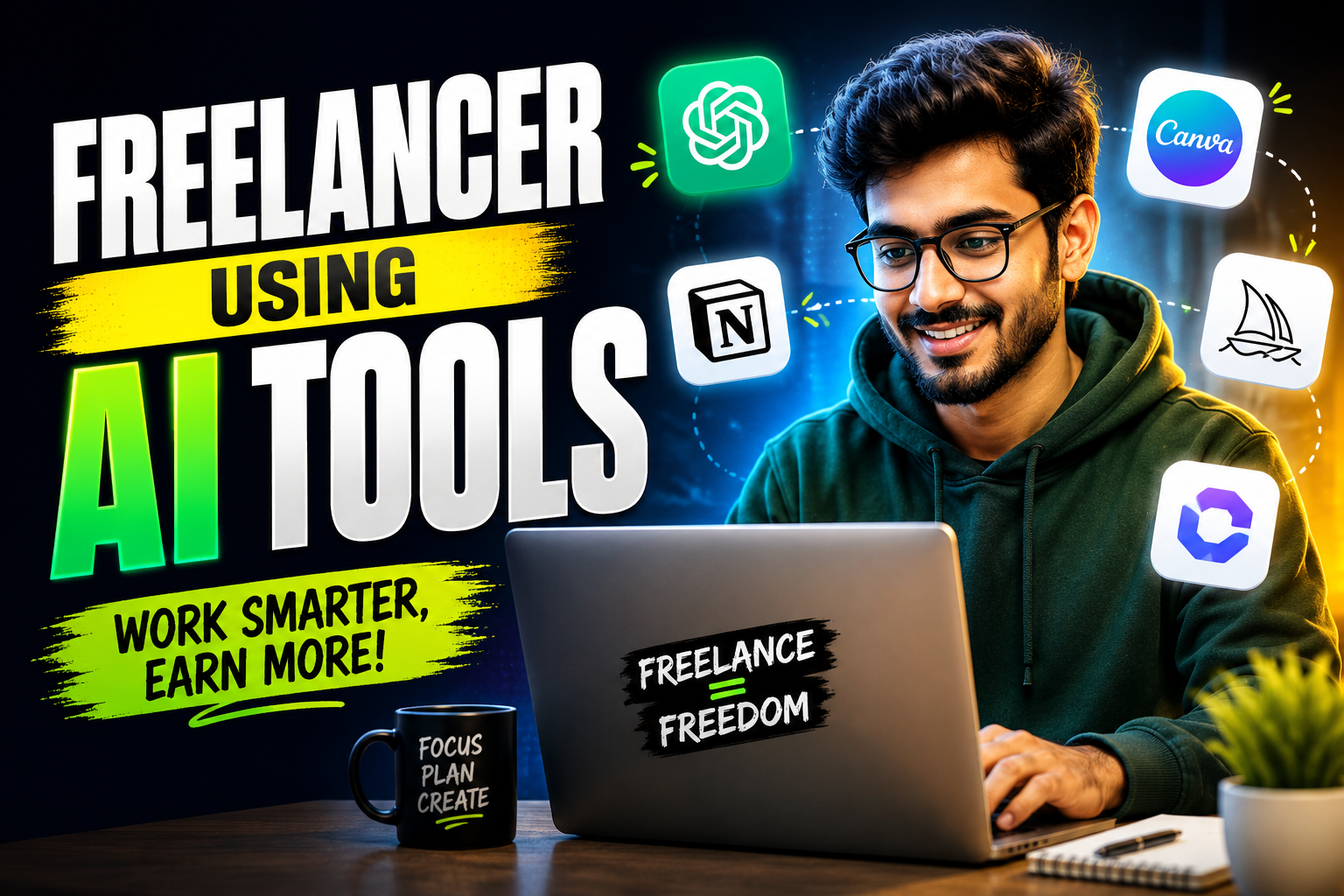
Artificial intelligence has become one of the most powerful technologies in 2026, changing the way people work, learn, and create content. From writing blogs to designing graphics and managing daily tasks, AI tools are now everywhere. But the real difference is not just using AI tools—it is using them correctly.
Many beginners use AI tools randomly and don’t get good results. The truth is, AI tools work best when you understand how to guide them properly. In this article, you will learn simple but powerful AI tool tips that every beginner should know.
1. Always Write Clear and Specific Prompts
One of the most important skills in using AI is prompt writing. If you are using tools like ChatGPT, you must give clear instructions.
Instead of writing:
“Write a blog”
Try this:
“Write a 1000-word SEO blog about AI tools for beginners in simple English with headings and FAQs.”
The more detailed your instruction is, the better output you will get. AI is not a mind reader—it follows instructions.
2. Combine Multiple AI Tools for Better Results
Don’t rely on just one tool. The smartest users combine different tools for different tasks. For example, you can use Canva for visuals and design work while using AI writing tools for content creation.
This combination saves time and increases quality. Bloggers, freelancers, and digital marketers often use this method to speed up their workflow.
3. Always Edit AI-Generated Content
AI tools like Jasper AI are very powerful, but they are not perfect. Sometimes the content may feel too robotic or may include small mistakes.
That’s why editing is very important. Always review, rewrite, and improve the content before publishing it. Human touch makes your work more professional and unique.
4. Use AI for Idea Generation
One of the best uses of AI is generating ideas. If you are a blogger or content creator, sometimes you run out of ideas. Tools like Copy.ai can help you instantly generate blog topics, YouTube ideas, and marketing content.
Instead of wasting time thinking, you can ask AI:
“Give me 20 blog ideas about digital marketing.”
This saves time and keeps your creativity active.
5. Learn One Tool at a Time
A common mistake beginners make is trying to learn too many AI tools at once. This creates confusion and reduces productivity.
Start with one tool like ChatGPT or Canva, and master it first. Once you understand it properly, then move to advanced tools like video editing AI or automation tools.
Focus always brings better results than multitasking.
6. Use AI for Productivity and Time Saving
AI tools are not just for content creation—they are also productivity boosters. You can use AI to write emails, summarize documents, create reports, and even plan your daily tasks.
This helps you save hours of manual work. In 2026, time is the most valuable asset, and AI helps you use it wisely.
7. Practice Daily for Better Results
AI tools improve your performance only when you use them regularly. Beginners often stop after a few tries, but consistency is key.
Try small tasks daily like:
- Writing short posts
- Creating simple designs
- Testing different prompts
- Exploring new features
The more you practice, the more expert you become.
8. Stay Updated with AI Trends
AI is changing very fast. New tools and updates come almost every month. To stay ahead, you must follow AI trends and updates.
New features in tools like ChatGPT or Canva AI can completely change your workflow. Staying updated keeps you competitive.
9. Don’t Depend 100% on AI
AI is powerful, but it should not replace your thinking. Always use your own ideas along with AI suggestions. This balance makes your work original and valuable.
Human creativity + AI speed = best combination.
10. Use AI for Learning New Skills
AI is not just for work—it is also a learning assistant. You can ask AI to explain coding, marketing, SEO, or even business topics in simple language.
This makes learning faster and easier for beginners.
FAQs
Q1: What are AI tools used for?
AI tools are used for writing, designing, coding, video creation, automation, and productivity tasks.
Q2: Which AI tool is best for beginners?
ChatGPT and Canva are the easiest tools for beginners.
Q3: Do I need technical skills to use AI tools?
No, most AI tools are user-friendly and designed for beginners without coding or technical knowledge.
Q4: Can AI replace human work?
No, AI cannot fully replace humans. It only helps in speeding up work and improving productivity.
Q5: How can I improve my AI skills?
Practice daily, experiment with prompts, and explore different AI tools regularly.
[…] depth and innovative thinking of humans. The future will likely depend on collaboration between AI tools and human creators, where technology enhances productivity while humans continue to bring meaning […]